
When discussing the performance of modern electric motors, the focus is often on advanced magnetic materials, innovative cooling concepts, or new motor architectures. Yet one factor is frequently underestimated: manufacturing precision.
Between the stator and the rotor lies a critical area that significantly influences efficiency, power density, and overall motor performance: the air gap. Even the slightest deviation can affect the electromagnetic behaviour of the motor. This is why not only design and material selection matter, but also the ability to maintain extremely tight tolerances consistently throughout series production.
Why Tolerances Matter
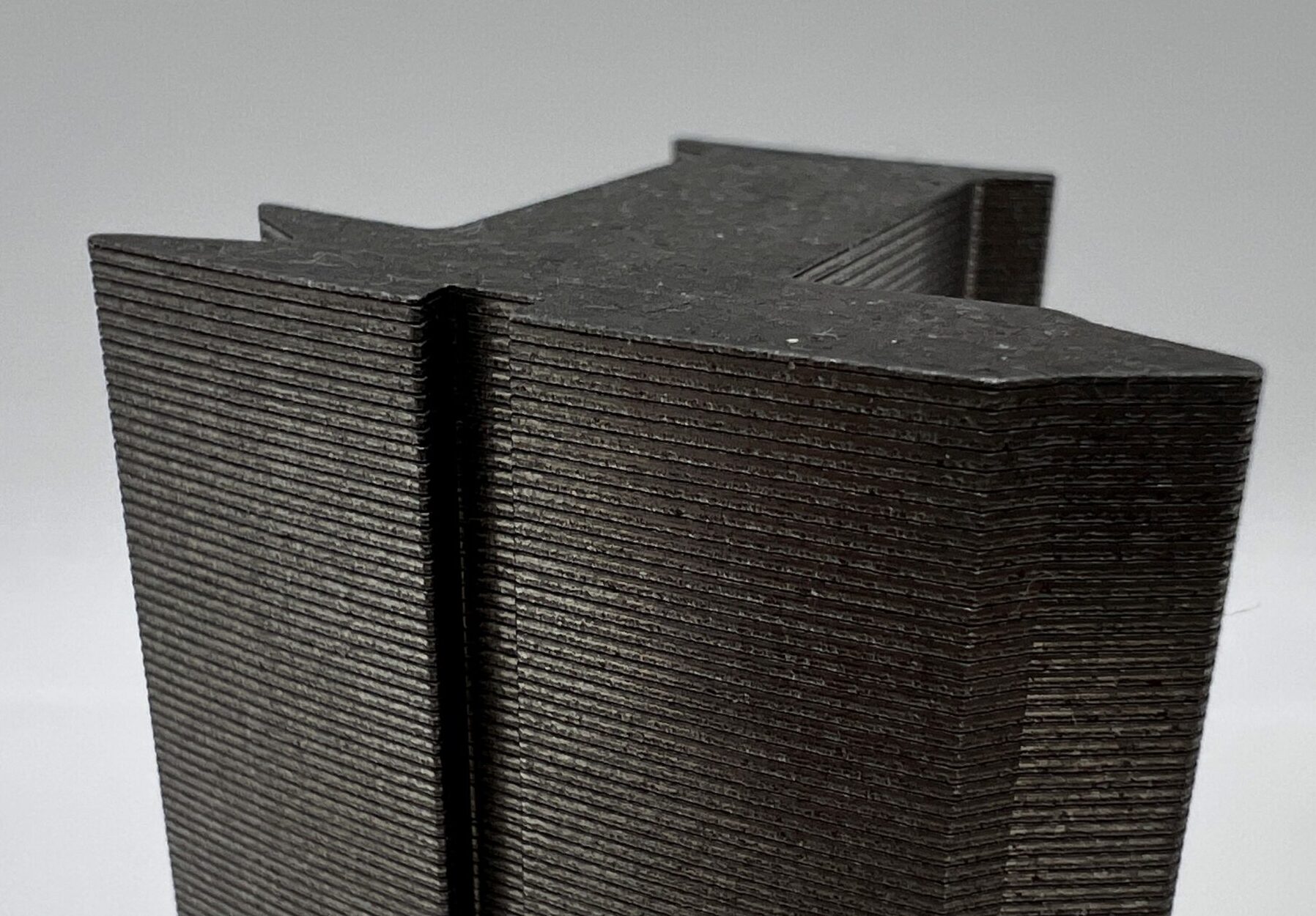
The more precisely stator and rotor laminations are manufactured, the more accurately the intended air gap can be achieved. This not only simplifies assembly but can also contribute to improved motor performance. SWD supports its customers in achieving tighter tolerances to create the foundation for more powerful and efficient electric drive system.
During development, much attention is paid to theoretical optimisation. However, the real value is only created when these concepts can be reproduced reliably and economically in mass production. This is often where theory and practice diverge.
Precision Alone Is Not Enough
Producing a single highly accurate component is one challenge. Producing thousands or even millions of identical components with the same level of quality is another.
For this reason, SWD does not view industrialisation as a downstream activity. Instead, it is considered an integral part of product development from the very beginning. Topics such as automation, manufacturability, and production processes are addressed early to ensure that a technical concept can become a robust series product. This holistic approach includes not only the electrical steel lamination stack itself, but also its integration into the motor and the associated manufacturing and assembly processes. Only by considering the entire system can truly economical solutions for large-scale production be achieved.
Automation as the Key to Repeatability
Modern manufacturing is about much more than achieving high production volumes. The real challenge lies in maintaining quality characteristics consistently and transparently.
SWD develops highly automated manufacturing concepts to standardise processes, minimise variation, and ensure complete traceability. In addition, digital data is used to document, analyse, and continuously improve production processes. When it comes to high-precision stator and rotor stacks, one thing becomes clear: high-performance electric motors are not created solely through better materials or innovative designs. In many cases, success depends on the ability to control a few micrometers, reliably and repeatedly.
Facts
- The air gap has a decisive impact on motor performance and efficiency
- Precision must be achieved reliably and consistently
- Material influences must be controlled with confidence and repeatability
- Automation is the key to producing millions of identical components
Conclusion
The future of electric drive systems will not be determined by new motor concepts alone. Equally important is the manufacturing technology behind them. Tighter tolerances, robust processes, and a consistent focus on industrialisation enable manufacturers to unlock the full potential of modern electric motors. Those who can reproduce precision at scale create the foundation for higher efficiency, improved performance, and long-term success in e-mobility and beyond.
From development to production
The industrialization of electric aircraft drives places the highest demands on precision, process stability and quality assurance.
SWD therefore supports its customers along the entire value chain – from the design of electromagnetic core components through to cost-effective series production.